


Everything You Need to Know About Meibomian Gland Dysfunction
📣 Special Offer – Limited Time Only!
💰 Get 50% OFF your second pair when you purchase your insurance lenses!
📅 Perfect timing for winter
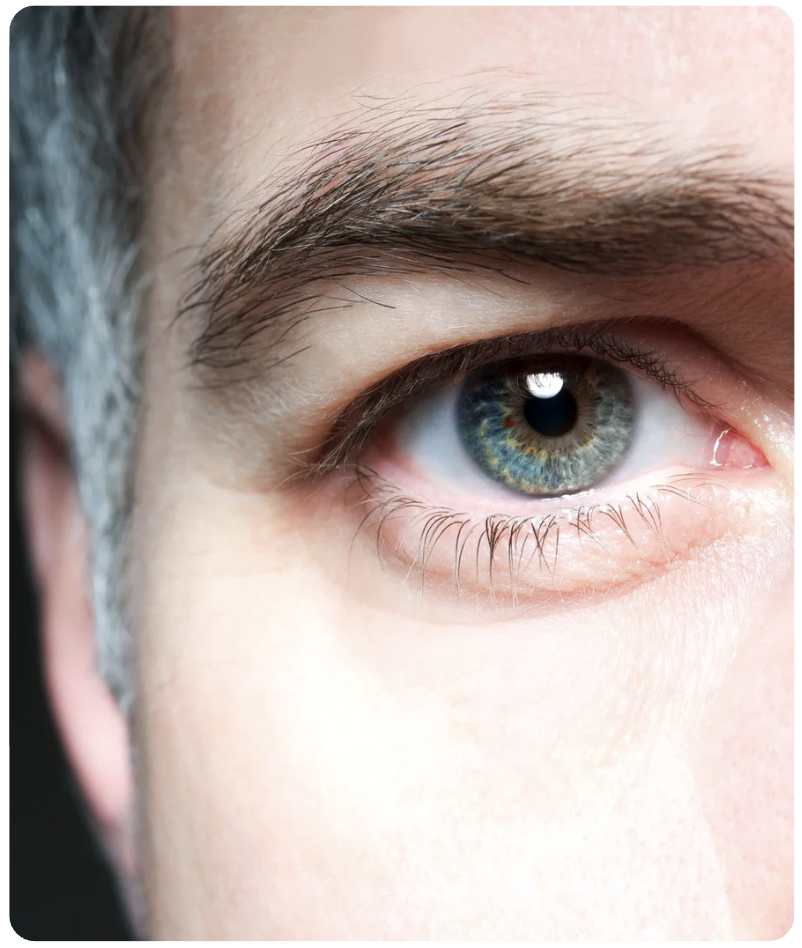
Meibomian Gland
Dysfunction Near Algonquin
If your eyes itch, burn, sting, appear red, or constantly feel like something is stuck in them, you may be experiencing Meibomian Gland Dysfunction (MGD). This common condition is the number one cause of Dry Eye Syndrome.
Many patients throughout the Algonquin area struggle with MGD, often without realizing the source of their discomfort. If these symptoms sound familiar, the Dry Eye Center at Atkinson Eye Care is here to help. Our eye doctors can identify the root cause of your dryness and provide effective, long-term relief.
What Is Meibomian Gland Disfunction?
Our tears are made of three key layers: an oil layer, a water layer, and a mucus layer. These layers work together to coat and protect the surface of the eye, keeping it moist, clear, and comfortable.
The meibomian glands are responsible for producing the oily layer, called meibum. This oil mixes with the water and mucus layers to form a stable tear film that prevents your tears from evaporating too quickly.
When the meibomian glands become blocked or stop producing enough oil, the tear film breaks down faster than it should. This condition, known as Meibomian Gland Dysfunction, causes tears to evaporate too quickly, which leads to dryness, irritation, and discomfort.
What Are the Symptoms of Meibomian Gland Dysfunction?
Depending on your specific case, your symptoms may be mild or severe, quick or long-lasting. The most common symptoms of MGD include:
- Blurry vision
- Burning and dry sensation
- Difficulty wearing contact lenses
- Watery eyes
- Red, sore and gritty eyes
- Crusty or sticky eyelids
The increased use of air conditioning or heating systems in the summer and winter months may intensify symptoms. Humid climates, extreme
temperatures, and dusty and windy conditions may aggravate eye dryness and itchiness as well.
What are the Causes of Meibomian Gland Dysfunction?
Several factors can increase your likelihood of developing Meibomian Gland Dysfunction (MGD), including:
-
Age: MGD becomes more common with age and is especially prevalent in women during and after menopause.
-
Certain medications: Treatments such as retinoic acid for acne, hormone replacement therapy, antidepressants, antihistamines, and anti-androgen medications used for prostate conditions can all contribute to gland dysfunction.
-
Endocrine disorders
-
Pregnancy
-
Long-term contact lens wear
-
Immune system conditions: including atopic dermatitis, rosacea, psoriasis, rheumatoid arthritis, and Sjogren’s syndrome.
-
Excessive Screen Time Extended use of digital screens has also been linked to MGD. When you focus on a TV, smartphone, computer, or tablet, you blink less often. Blinking is essential because it naturally spreads tears across the eye, removes tiny debris, and helps keep the meibomian glands functioning properly. When blinking decreases, the eyes become drier, which can stress the glands and reduce their long-term ability to produce healthy oils.
What are the Solutions for Meibomian Gland Dysfunction?
Treatments for Meibomian Gland Dysfunction (MGD) range from at-home care to in-office procedures, and most patients benefit from a combination of approaches. Common first steps include artificial tears, warm compresses, and gentle gland expression. Our eye doctors often recommend starting with warm compresses placed over the eyelids. The heat helps soften and loosen the oils inside the glands, allowing them to open more easily. While this can provide temporary relief, it is typically only one part of an effective long-term plan.
In some cases, additional treatments may be necessary. These can include omega-3 supplements, topical antibiotics, oral tetracyclines to reduce inflammation, corticosteroids, or topical cyclosporine to improve tear quality and gland function. Many people try over-the-counter lubricating drops, but these products usually offer brief relief. Without a healthy oil layer from the meibomian glands, tears and artificial drops evaporate too quickly to keep the eyes comfortable.
At the Dry Eye Center at Atkinson Eye Care, our doctors can evaluate your symptoms and recommend the most effective drops and treatment plan for your specific case of MGD, helping you achieve lasting comfort.

Think You Have MGD? We Can Help
If you are experiencing any of the symptoms or conditions described above, the Dry Eye Center at Atkinson Eye Care is here to help. Our eye doctors will evaluate the severity of your MGD, review your symptoms, and take your lifestyle into account to create a personalized treatment plan that brings long-term relief.
Here is what one patient shared about their experience:
“I went to the Dry Eye Center at Atkinson Eye Care and everyone there was professional and courteous. The eye doctor performed a thorough evaluation and treatment. I’m happy to say that my eyes feel comfortable and my vision is back to how it was before the condition began.”
We proudly serve patients from Algonquin, Chicagoland, the Northwest Suburbs, Rockford, and the surrounding communities. Clinical research also supports MGD treatment options such as Intense Pulsed Light (IPL). A prospective trial by Craig, Chen, and Turnbull demonstrated IPL’s effectiveness in improving meibomian gland function and reducing symptoms of MGD (Invest. Ophthalmol. Vis. Sci. 2015;56(3):1965-1970).
MEET OUR EYE CARE TEAM


With over 30 years of experience, our doctors and staff partner correct treatments with personable care.
Atkinson Eye Care provides innovative eye care services to patients from in and around Algonquin. We offer comprehensive eye health assessments, ocular disease diagnosis and treatment, contact lens evaluation and fitting, and prescriptions.
The team at Atkinson Eye Care aims to provide the best possible solution for the patient's eye health and vision needs. By utilizing the latest technologies and evidence-based treatments, we can ensure that each patient maintains optimal eye health. We welcome new patients and accept most major forms of insurance.